Creatine Gummies: Do They Work? Gummies vs Pills vs Powder
Creatine gummies have become one of the most talked-about supplement formats, promising the best-studied sports supplement in a chewy, candy-like square. The catch is that creatine is a fussy ingredient to put into a gummy. Independent lab tests in 2024 and 2025 found that several popular creatine gummies contained little or no creatine at all.
So do creatine gummies work? They can, if the product actually contains what the label says. Below, we look at what the research shows for creatine itself, why gummies are hard to get right, how gummies compare with creatine pills and powder, and what to check before you buy in the US or Canada.
Key takeaways
- Creatine monohydrate is one of the most researched supplements for strength and power training, but almost all of that research used powder, not gummies.
- Creatine breaks down into creatinine when it’s exposed to moisture, heat and acid, the very conditions involved in making gummies.
- Independent tests in 2024 and 2025 found that a large share of the gummies tested held little or no creatine.
- Powder is usually the cheapest and most reliable form. Pills avoid the taste issue but you may need several to match a scoop.
- If you choose gummies, look for an NPN in Canada and a third-party seal such as NSF Certified for Sport or Informed Sport in the US and Canada.
What are creatine gummies?
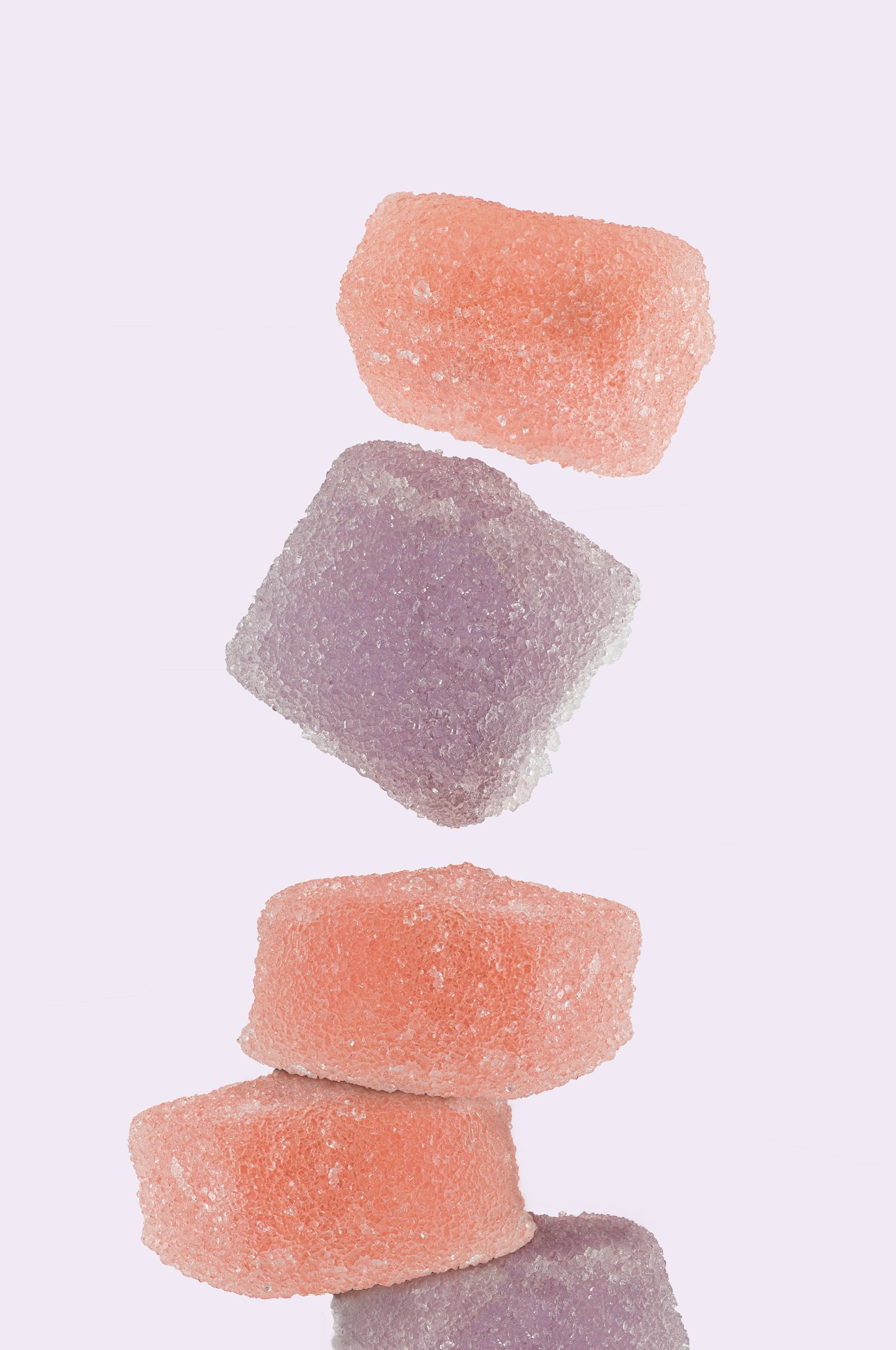
These are chewable supplements that contain creatine, usually creatine monohydrate, set in a gelatin or pectin base with sweeteners and flavours. They’re marketed as an easy, no-mixing alternative to the powder most people associate with creatine.
Creatine is a compound your body makes from amino acids and also gets from meat and fish. Most of it is stored in your muscles, where it helps recycle energy during short, intense efforts such as sprints and heavy lifts. Taking it as a supplement raises those muscle stores over time, which is why it has been popular with athletes for decades.
The gummy format has grown fast because it solves real problems. Creatine powder can be gritty, it doesn’t dissolve well in cold drinks, and some people simply forget to mix it. A gummy is portable and pleasant to take. Those benefits only matter, though, if the gummy actually delivers the creatine.
Do creatine gummies work?
Creatine gummies can work if they contain the amount of creatine on the label and you take them consistently. The problem is that there’s no published research testing creatine gummies for performance or muscle outcomes, and independent lab tests show that many gummy products fall well short of their label.
The evidence behind creatine comes almost entirely from studies of creatine monohydrate powder. The International Society of Sports Nutrition (ISSN), in its 2017 position stand, described creatine monohydrate as the most effective nutritional supplement currently available for increasing high-intensity exercise capacity and lean body mass during training. The same review concluded that short- and long-term use appears safe and well tolerated in healthy people.
Health Canada’s creatine monohydrate monograph, updated in June 2024, sets out the claims licensed products in Canada can make. These include supporting gains in lean muscle mass when combined with resistance training, and improving strength and power during short, repeated bursts of high-intensity activity. Those are meaningful benefits, but they assume you’re getting real creatine every day.
There’s no reason to think creatine works differently once it’s absorbed from a gummy. The open question is whether the gummy still holds intact creatine by the time you eat it. That’s where the format runs into trouble.
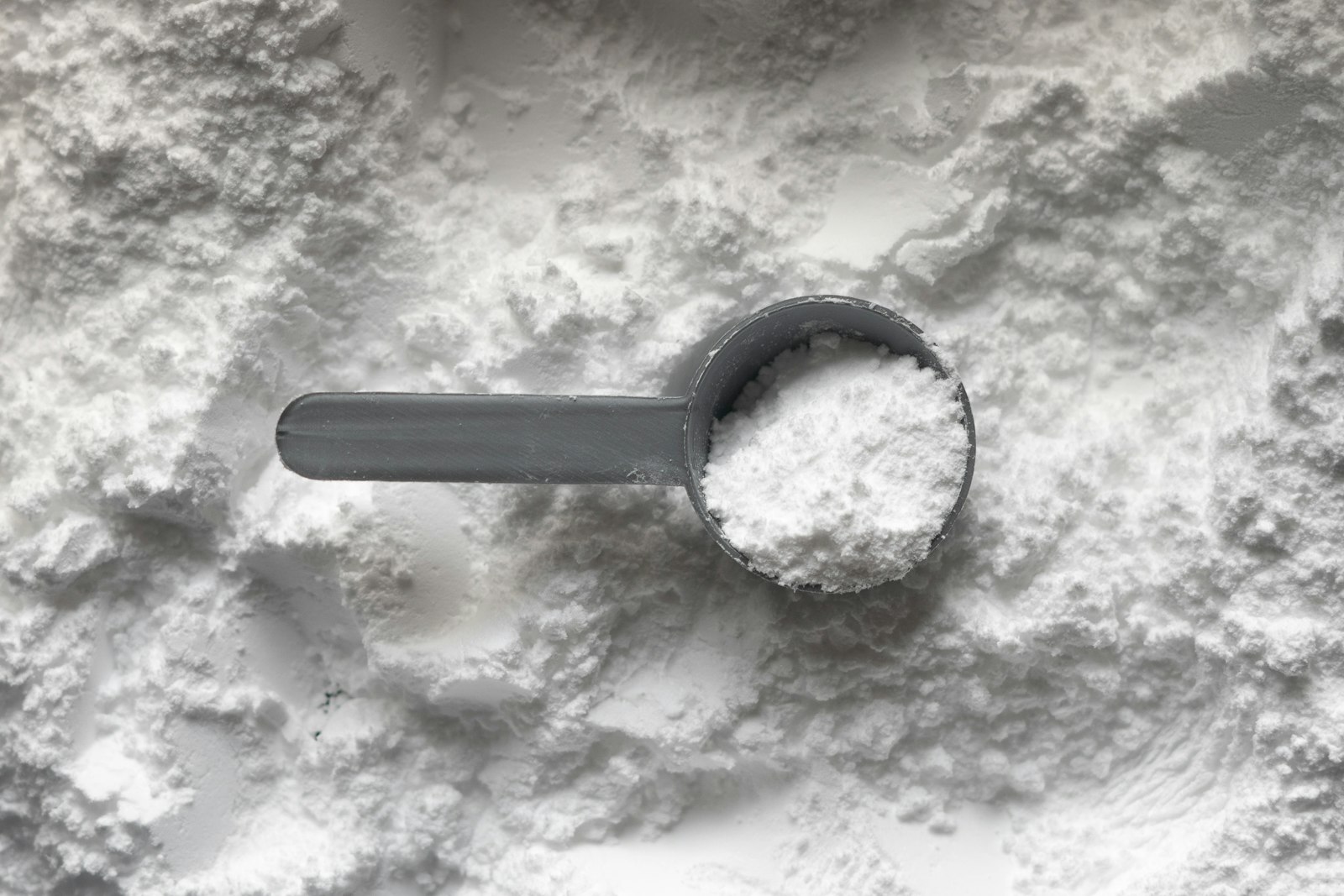
Why creatine is hard to put in a gummy
Creatine is stable as a dry powder but much less so once water is involved. In moist conditions it slowly converts into creatinine, a waste product your kidneys filter out and which has none of creatine’s benefits. Heat, acidity and time on the shelf all speed that conversion up.
Gummy manufacturing combines all three. The base is cooked at high temperature, most gummies are acidified for flavour and texture, and the finished product holds water. A 2021 review in the Journal of the International Society of Sports Nutrition (JISSN), written by 11 creatine researchers, explained that creatine isn’t stable in solution because it converts to creatinine, especially at higher temperatures and lower pH. The same review noted that efforts to make stable drinks containing useful amounts of creatine haven’t succeeded, while dry monohydrate powder is very stable in storage.
Health Canada’s monograph reflects the same chemistry from a regulator’s side. It doesn’t allow liquids or solutions for creatine products because of the finished product’s lack of stability, and it excludes foods and food-like forms. That doesn’t mean every gummy fails, but it shows why regulators and formulators treat moisture as a real risk for this ingredient.
Size is the other hurdle. Creatine is taken in amounts far larger than most vitamins, and a single gummy can only hold so much. That’s why many products spread one serving across several gummies, which adds sugar or sugar alcohols and raises the cost.
What independent lab tests found
Two widely reported rounds of testing put the gummy format under the spotlight. Neither was a peer-reviewed study, but both used lab analysis of products bought on the open market in the US.
- 2024, NOW Foods. The US supplement maker tested 12 creatine gummy products bought on Amazon and brand websites, as reported by SupplySide Supplement Journal in March 2024. Seven met their label claim, but five, about 42%, contained little to no creatine. All five failing products also contained creatinine, suggesting the creatine had broken down. NOW noted that the outside labs it normally uses couldn’t test the gummies, so the results weren’t independently confirmed.
- 2025, SuppCo. The supplement-tracking platform sent budget creatine products bought from retailers to a third-party lab, according to Athletech News in June 2025. All five powders tested matched their labels with high purity. Four of the six gummies were far below expected levels, two contained no detectable creatine, and all four failing gummies had high levels of creatinine.
The pattern is consistent: powders tended to pass, while a large share of the gummies tested failed, and the failures came with signs of creatine breaking down. These tests covered a limited number of products, mostly sold online in the US, so they don’t tell you about every brand. They do show why label claims alone aren’t enough for this format.
If you’re a brand or formulator, stability testing and batch release are the real lessons here. Our supplement manufacturing checklist walks through specifications, stability studies and finished-product testing for US and Canadian brands.
Creatine gummies vs pills vs powder
All three formats can contain the same creatine monohydrate. They differ in reliability, convenience, cost and what else comes along with the creatine. Here’s how they compare:
| Factor | Gummies | Pills (capsules or tablets) | Powder |
|---|---|---|---|
| Stability | Lowest; moisture, heat and acid can turn creatine into creatinine | Good; kept dry | Good; very stable when dry |
| Evidence base | No published performance trials of the gummy format | Limited; relies on powder research | Most studies used powder |
| Label accuracy in independent tests | Frequent failures in 2024 and 2025 testing | Not widely tested | Generally passed |
| Servings per unit | Often several gummies per serving | Often several capsules per serving | One scoop |
| Added ingredients | Sugar or sugar alcohols, gelatin or pectin, flavours, colours | Capsule shell, fillers | Often none (unflavoured) |
| Cost per serving | Usually highest | Middle | Usually lowest |
| Best for | People who won’t use any other form | People who dislike taste or mixing | Most people, especially on a budget |
Creatine pills
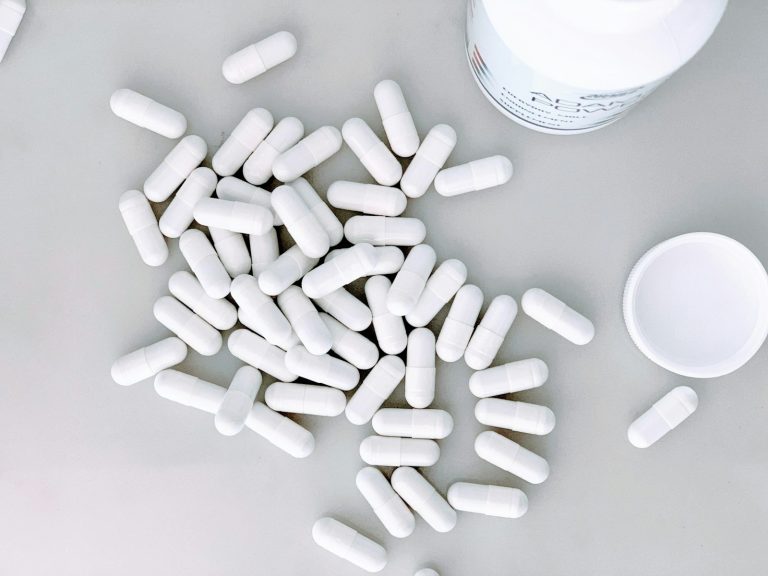
Creatine pills, usually capsules, keep the creatine dry and avoid the taste and grit of powder. Because creatine is bulky, you often need several capsules to match one scoop of powder, which can be a hassle and raise the cost. Capsules haven’t faced the same label problems reported for gummies, but they also haven’t been tested as widely.
Creatine powder
Unflavoured creatine monohydrate powder remains the default for a reason. It’s the form used in most research, it’s stable when kept dry, it usually has no added sugar, and it’s the cheapest per serving. You can stir it into water, juice, a smoothie or a protein shake.
Our wider comparison of gummy vitamins vs pills covers the same trade-offs for vitamins and minerals, including sugar, label accuracy and child safety.
What about creatine HCl and other forms?
Many gummies and pills now list newer forms such as creatine hydrochloride (HCl), buffered creatine or creatine ethyl ester, often with claims of better absorption. The evidence doesn’t back those claims up so far.
The 2021 JISSN review of common creatine questions found no peer-reviewed papers showing that equal amounts of other creatine forms outperform creatine monohydrate. It added that most studies show these other forms, including buffered creatine and creatine ethyl ester, have less physiological impact than monohydrate. If a gummy or pill uses a different form, treat absorption claims with caution and check whether the brand cites published human trials.

How to choose a creatine gummy you can trust
If gummies are the only way you’ll take creatine consistently, they can still be a reasonable choice. Work through these checks before you buy:
- Check the licence or verification. In Canada, look for an eight-digit NPN and search it in Health Canada’s Licensed Natural Health Products Database (LNHPD) to confirm the product, its form and its approved claims. In the US, the FDA doesn’t approve supplements before they’re sold, so look for independent verification.
- Look for a third-party seal. NSF Certified for Sport checks label claims and screens for banned substances, Informed Sport screens batches for banned substances, and USP Verified checks that a product contains what its label claims.
- Ask for a recent certificate of analysis. Reputable brands will share lab results for the batch you’re buying, ideally showing both creatine and creatinine levels.
- Confirm the creatine form. Creatine monohydrate is the form with the strongest evidence. Be wary of proprietary blends that don’t state how much creatine each serving contains.
- Read the non-medicinal ingredients. Note sugar, sugar alcohols, gelatin (if you’re vegetarian) and allergens. Multiply by the number of gummies in a serving.
- Compare the cost per serving. Work out what you pay for a full serving, not per gummy. Gummies often cost several times more than powder.
- Store them properly. Keep gummies cool, dry and tightly sealed, because moisture and heat are what break creatine down.
For a step-by-step version of these checks that applies to any supplement, see our pillar guide on how to choose quality supplements.
What to look for in the US and Canada
Creatine is sold in both countries, but the rules behind the label differ. Here’s what each system does and doesn’t tell you:
| United States | Canada | |
|---|---|---|
| Category | Dietary supplement | Natural health product (NHP) |
| Pre-market review | None for most products; the FDA doesn’t approve supplements before sale | Health Canada must issue a product licence and NPN before sale |
| What the label shows | Supplement Facts panel; structure/function claims with a disclaimer | NPN, medicinal and non-medicinal ingredients, approved claims and cautions |
| Quality rules | Current good manufacturing practices under 21 CFR Part 111 | Good manufacturing practices under the Natural Health Products Regulations |
| How to verify | Third-party seals such as NSF Certified for Sport, Informed Sport or USP Verified | Search the NPN in the LNHPD; third-party seals add a further check |
In Canada, natural health products are licensed supplements and remedies such as vitamins, minerals and sports products. A Canadian NPN means Health Canada reviewed the product’s ingredients, claims and quality information, but it isn’t the same as testing every batch on the shelf. In the US, a company is responsible for making sure its product is safe and accurately labelled, and the FDA mostly acts after products reach the market. For a deeper look at the Canadian system, see our guide to natural health product regulations in Canada.
Side effects, interactions and who should avoid creatine
Creatine has a strong safety record in healthy adults, and the 2017 ISSN position stand found short- and long-term use to be well tolerated. Gummies add their own considerations on top of that. Keep these points in mind:
- Weight gain. Health Canada requires licensed creatine products to warn that you may gain weight. The 2021 JISSN review called water retention the most common side effect in the early stages, while noting that longer studies found no change in total body water relative to muscle mass.
- Kidneys. Creatine raises blood creatinine, which can make kidney tests look abnormal even when the kidneys are fine. The 2021 review traced kidney fears to a 1998 case report in someone with existing kidney disease and found little evidence of harm in healthy people. If you have a kidney disorder, Health Canada’s monograph says to talk to a healthcare professional first, and tell your doctor you take creatine before any blood work.
- Hair loss. This worry comes from a single 2009 study in male rugby players that reported a rise in the hormone DHT. The 2021 JISSN review noted that the finding hasn’t been replicated and that no study has reported hair loss or baldness in humans taking creatine.
- Pregnancy and breastfeeding. Health Canada’s monograph says to ask a healthcare professional before use.
- Teens. Health Canada’s monograph covers adults 18 and older. Teens should talk to a doctor or registered dietitian before taking creatine.
- Digestive upset. Sugar alcohols in sugar-free gummies can cause gas, bloating or loose stools, especially when a serving is several gummies.
- Blood sugar. If you have diabetes, count the sugar in multi-gummy servings or choose an unsweetened powder or capsule.
- Children at home. These gummies look like candy. Store them out of reach in their original container.
Doses vary by product and person, so follow the label directions of a reputable product and check with a pharmacist or doctor if you take medication or manage a health condition.
The bottom line
Creatine gummies can work, but the format is the weak link, not the creatine. Moisture, heat and acid can turn creatine into creatinine, and independent tests in 2024 and 2025 found that many of the gummies tested contained little or none. Powder remains the most reliable, best-studied and cheapest option, with capsules a good alternative if you dislike mixing.
If you prefer gummies, choose one with an NPN in Canada or a third-party seal in the US, ask for batch test results, and store it cool and dry. For more evidence-based buying help, browse our supplement guides.
Frequently asked questions
Are creatine gummies as effective as powder?
They can be, if the gummy contains the creatine its label claims. Once absorbed, creatine works the same way whatever the format. The problem is reliability: creatine breaks down in moist, acidic and heated conditions, and independent tests in 2024 and 2025 found many gummies held little or no creatine. Powder is the form used in most research and is generally more dependable.
Why do some creatine gummies have no creatine?
Creatine converts into creatinine, an inactive waste product, when exposed to moisture, heat and acid. Gummy production involves all three, and gummies hold water on the shelf. Lab tests of failing products found creatinine alongside little or no creatine, which suggests breakdown during manufacturing or storage. Poor quality control or underfilling can also play a part.
Are creatine gummies sold in Canada?
Yes, though rules apply. In Canada, creatine is regulated as a natural health product, so a product sold legally needs an eight-digit NPN. Search the NPN in Health Canada’s Licensed Natural Health Products Database to check the product’s licensed form, claims and cautions. Gummies ordered from US sites without an NPN haven’t been reviewed by Health Canada.
Are creatine pills better than gummies?
Creatine pills keep the creatine dry, so they avoid the stability problems that affect many gummies, and they usually don’t contain added sugar. The trade-off is that creatine is bulky, so you often need several capsules per serving. Like gummies, pills haven’t been studied as much as powder, so choose a product with third-party verification.
Do creatine gummies have sugar?
Many do. Because a serving is often several gummies, the added sugar can add up. Sugar-free versions usually use sugar alcohols such as sorbitol or maltitol, which can cause gas, bloating or loose stools in some people. Check the non-medicinal ingredients or Supplement Facts panel and multiply by the number of gummies in a serving.
Do creatine gummies expire?
Yes, and they may lose potency faster than powder because moisture and heat slowly turn creatine into creatinine. Use them before the expiry date, keep the lid tightly closed and store them somewhere cool and dry, not in a hot car or steamy bathroom. If gummies have melted, clumped or changed texture, it’s safest to replace them.
This article is for general information and isn’t a substitute for advice from a healthcare professional.
Sources and further reading: Kreider RB et al., International Society of Sports Nutrition position stand: safety and efficacy of creatine supplementation in exercise, sport, and medicine, Journal of the International Society of Sports Nutrition (2017); Antonio J et al., Common questions and misconceptions about creatine supplementation: what does the scientific evidence really show?, Journal of the International Society of Sports Nutrition (2021); Health Canada, Natural Health Product Monograph: Creatine Monohydrate (2024); SupplySide Supplement Journal, NOW tests creatine gummies, finding almost half to be severely understrength (2024); Athletech News, SuppCo creatine gummies testing report (2025).