
How to Improve Gut Health: Evidence-Based Habits That Work
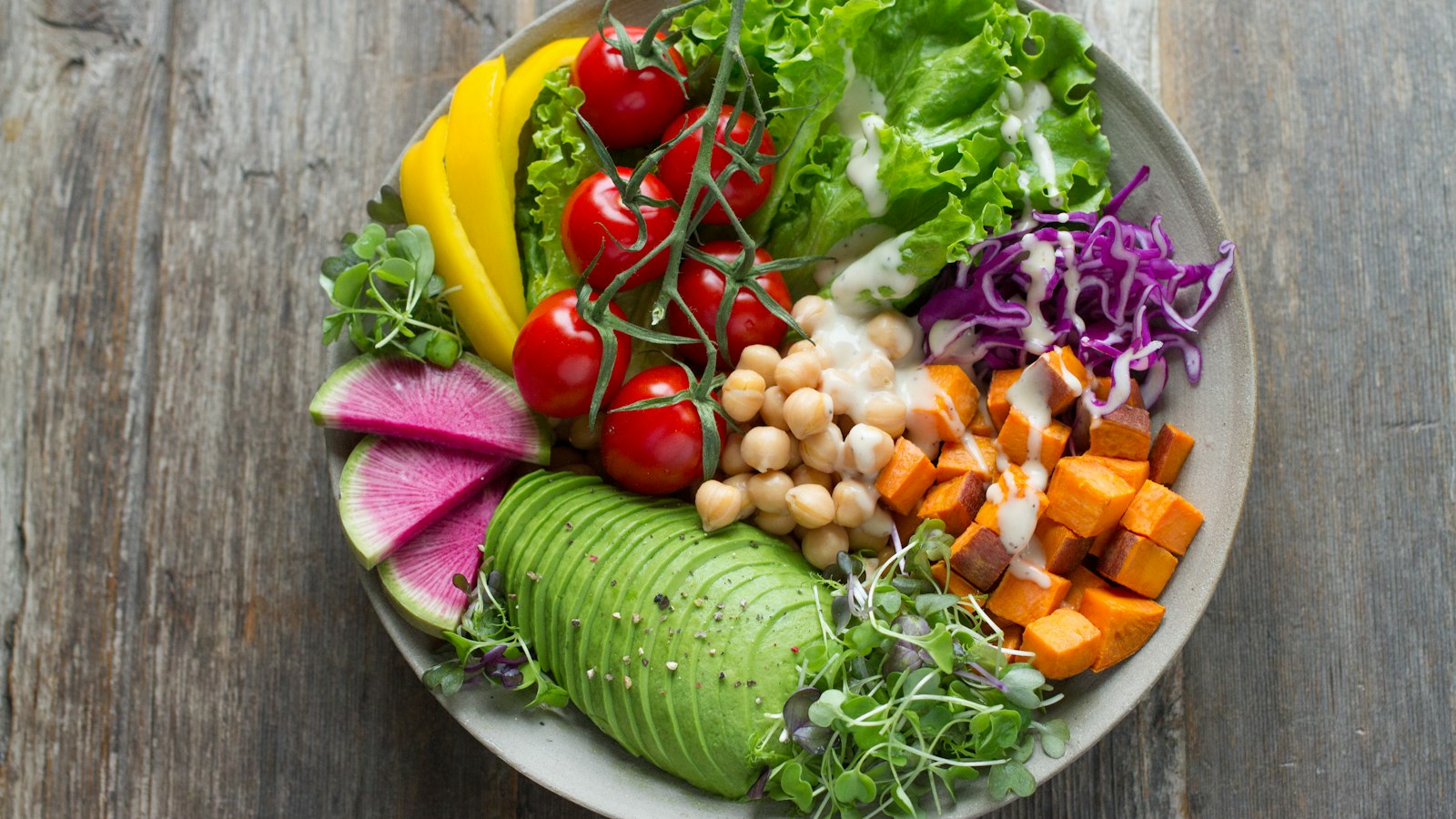
If you want to know how to improve gut health, start with your plate: eat more fibre, eat a wider mix of plants, and add a fermented food or two to your day. Then protect the basics that quietly shape your gut bacteria, like sleep, stress, movement and careful antibiotic use. None of this needs a cleanse, a pricey test kit or a cupboard full of powders.
Your gut microbes respond to what you do fairly quickly, but there’s no single trick. Here’s what the research supports, with numbers you can use.
Key takeaways
- Health Canada recommends 25 g of fibre a day for women and 38 g for men, and most Canadians eat about half that.
- People in the American Gut Project who ate more than 30 different plants a week had more diverse gut bacteria than those eating fewer than 10.
- In a 2021 Stanford trial, a diet high in fermented foods raised microbial diversity and lowered 19 inflammatory proteins.
- Probiotics are strain-specific tools, not a daily must. Food comes first.
- Blood in your stool, unexplained weight loss or a lasting change in bowel habits means it’s time to see a doctor.
What does “gut health” actually mean?
Gut health usually refers to how well your digestive tract works and how balanced the community of microbes living in your large intestine is. That community, your gut microbiome, includes trillions of bacteria, plus fungi and viruses.
A “healthy” microbiome isn’t one fixed recipe. Researchers look for diversity (lots of different species) and plenty of microbes that ferment fibre into short-chain fatty acids such as butyrate. Those compounds help fuel the cells lining your colon. Day to day, a healthy gut also means regular, comfortable bowel movements.
How much fibre do you need for a healthy gut?
Aim for 25 g a day if you’re a woman and 38 g if you’re a man. According to Health Canada’s fibre guidance, most of us get only about half of that.
Fibre is the main food your gut bacteria live on. You can’t digest most of it, so it reaches your colon, where microbes break it down.
Closing a 12 to 19 gram gap is easier than it sounds. A few swaps get you most of the way:
- Half a cup of cooked lentils or black beans adds roughly 7 to 8 g.
- Switching white toast to a high-fibre whole grain bread can add a couple of grams per slice.
- A tablespoon of chia seeds stirred into oatmeal adds about 4 g.
- A pear or a cup of raspberries with the skin and seeds intact brings 5 g or more.
Go slowly. Adding 5 g or so per week, and drinking more water as you go, gives your gut time to adjust. Jumping from 15 g to 40 g overnight is a reliable way to end up gassy.
Why does eating 30 plants a week matter?
Variety seems to matter as much as volume. In the American Gut Project, a large citizen-science study published in mSystems in 2018, people who reported eating more than 30 different plant types per week had significantly more diverse gut microbes than people eating 10 or fewer.
Labels like “vegan” or “omnivore” explained very little; plant count told researchers more. It’s an observational finding, so it shows a link rather than proof, but it’s a practical target.
Vegetables, fruit, whole grains, legumes, nuts, seeds, herbs and spices all count, so a handful of mixed nuts can be four or five plants. Easy wins:
- Buy a frozen stir-fry blend instead of one vegetable.
- Use a mixed bean can rather than just chickpeas.
- Finish meals with fresh herbs, pumpkin seeds or a pinch of turmeric.
Do fermented foods really help your gut?
Yes, and one of the better studies we have backs this up. In a 2021 randomized trial from Stanford University, 36 healthy adults followed either a high-fermented-food diet or a high-fibre diet over roughly 10 weeks of active changes.
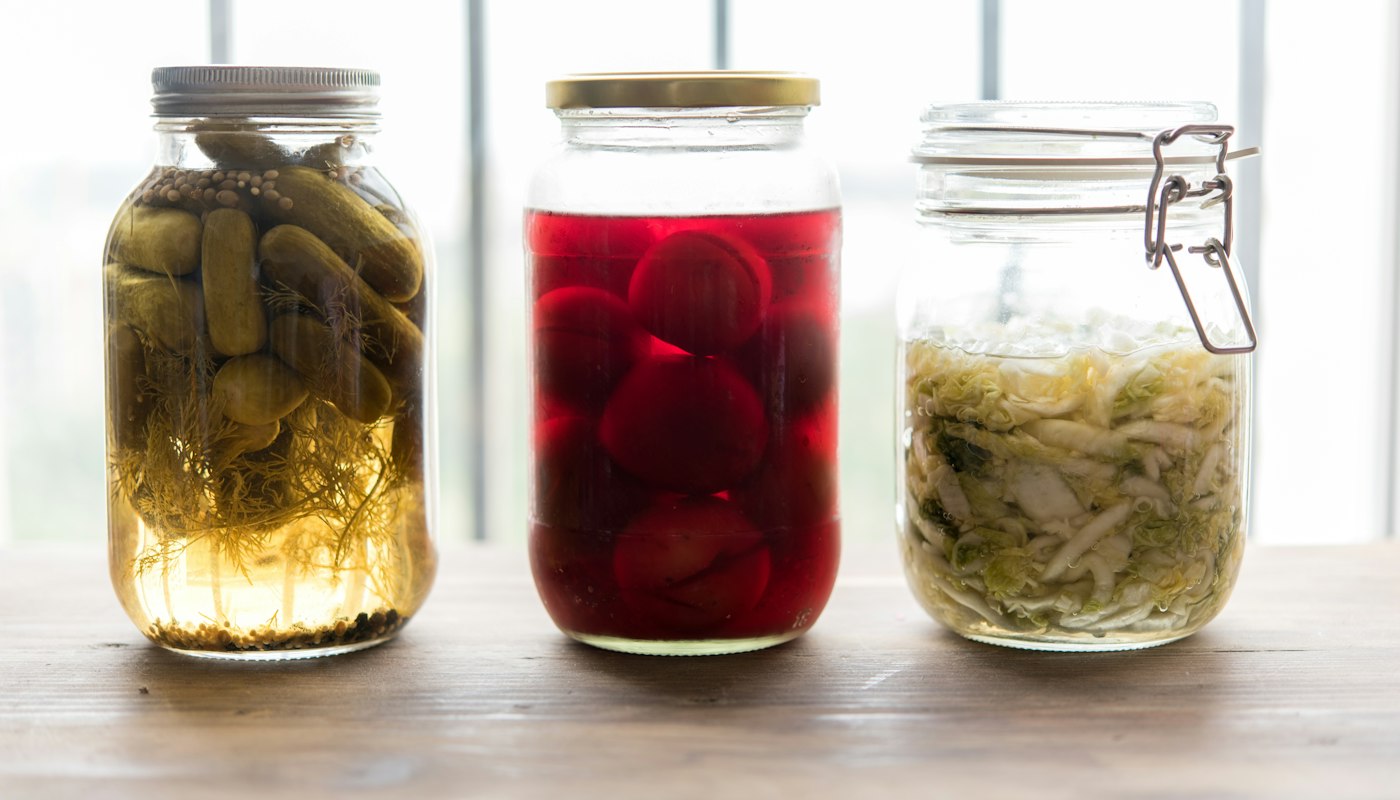
The fermented-food group worked up from almost none to about six servings a day of foods like yogurt, kefir, kimchi, fermented vegetables, vegetable brine drinks and kombucha. Their microbial diversity steadily went up, and 19 inflammatory proteins in their blood went down, including interleukin-6. The high-fibre group didn’t see those same changes during the study, although their microbes did start producing more fibre-digesting enzymes.
Six servings is a lot for most people, so treat it as a direction rather than a rule. Start with one daily serving: plain kefir in a smoothie, a spoonful of sauerkraut beside eggs, or kimchi on rice. Look for “live and active cultures” on yogurt and kefir, and buy sauerkraut or kimchi from the fridge section, since shelf-stable, pasteurized versions usually don’t carry live microbes. Watch the sodium in pickled products.
Prebiotics vs probiotics vs postbiotics: what’s the difference?
Prebiotics feed your microbes, probiotics are live microbes with proven benefits, and postbiotics are inactivated microbes or their parts that still offer a benefit, according to definitions from the International Scientific Association for Probiotics and Prebiotics (ISAPP).
- Prebiotics are compounds your gut bacteria selectively use. Inulin (in onions, garlic, leeks and chicory root), fructooligosaccharides and resistant starch (in cooked-then-cooled potatoes or rice and slightly green bananas) are common examples.
- Probiotics must be live, identified down to the strain, taken in a dose that has been studied, and backed by evidence of a health benefit. Most yogurt counts as a fermented food, not automatically as a probiotic.
- Postbiotics are a newer category: preparations of non-living microbes or their components. Research here is early.
Most people will get more from prebiotic-rich plants every day than from a random capsule. If you try a supplement, match the strain to the reason you’re taking it, and check for a Natural Product Number (NPN) on the label. Our guide on choosing a quality supplement in Canada walks through what to look for.
Should you take a probiotic with antibiotics?
Maybe, but ask your doctor or pharmacist first. Antibiotics can knock back healthy gut bacteria along with the infection they’re treating, which is why diarrhea is a common side effect.
A 2025 Cochrane review of 47 trials found that certain probiotics may lower the risk of C. difficile diarrhea in people taking antibiotics, especially those at higher risk, though the certainty of the evidence ranged from moderate to very low. The US National Center for Complementary and Integrative Health also warns that people with weakened immune systems, seriously ill patients and premature infants face higher risks from probiotics.
A few sensible rules: take antibiotics only when you truly need them, finish the course as prescribed, and space any probiotic a couple of hours away from your antibiotic dose unless your pharmacist says otherwise. Afterward, lean on fibre and fermented foods.
How do ultra-processed foods affect your gut?
They crowd out the foods your microbes need. Statistics Canada data show that ultra-processed foods made up about 46% of Canadians’ daily calories in 2015, and the share was higher still at breakfast and snacks.
Think snack cakes, sugary cereals, soft drinks and instant noodles. They’re low in fibre and plant variety, so a diet built on them leaves your gut bacteria underfed. Swapping one packaged snack a day for fruit and nuts is a real start.
Do sleep, stress and exercise affect gut health?
They do. Your gut and brain talk constantly through nerves, hormones and immune signals, often called the gut-brain axis.
- Sleep: Canadian guidelines suggest 7 to 9 hours for adults aged 18 to 64. Short or irregular sleep has been linked with less favourable microbiome patterns.
- Stress: Chronic stress can change gut motility and sensitivity. Walking, slow breathing and regular meals help.
- Movement: Aim for at least 150 minutes of moderate to vigorous activity a week. Studies suggest regular exercise is associated with greater microbial diversity.
Easy gut health habits at a glance
| Food or habit | What it does | Easy way to start |
|---|---|---|
| More fibre | Feeds bacteria that make short-chain fatty acids; supports regularity | Add half a cup of beans or lentils to one meal a day |
| 30 plants a week | Linked with a more diverse microbiome | Keep a tally on your fridge; count herbs, spices, nuts and seeds |
| Fermented foods | Raised diversity and lowered inflammatory markers in the Stanford trial | One serving daily of kefir, yogurt with live cultures, kimchi or sauerkraut |
| Prebiotic foods | Selectively feed beneficial microbes | Cook with onions, garlic and leeks; try cooled potato salad |
| Fewer ultra-processed foods | Makes room for fibre and plant variety | Swap one packaged snack a day for fruit and a handful of nuts |
| Sleep and stress care | Supports the gut-brain connection | Set a consistent bedtime; take a 10-minute walk after dinner |
| Careful antibiotic use | Limits disruption to gut bacteria | Ask if you truly need one; take it exactly as prescribed |
When should you see a doctor about gut symptoms?
See a doctor if symptoms are new, persistent or worsening, rather than trying to fix them with diet alone. These signs need prompt attention:
- Blood in your stool, black or tarry stools, or bleeding from the rectum
- Unexplained weight loss or loss of appetite
- A change in bowel habits lasting more than a few weeks, including stools that are narrower than usual
- Ongoing abdominal pain, vomiting, or pain that wakes you at night
- Trouble swallowing, or fever alongside digestive symptoms
These can have many causes, from celiac disease and inflammatory bowel disease to colorectal cancer, which the Canadian Cancer Society notes may cause no symptoms early on. If you have a diagnosed condition such as IBS or Crohn’s, or you take medication, check with your health-care team before making big diet changes or starting supplements.
The bottom line
Improving your gut health comes down to feeding your microbes well and not making their job harder. Close your fibre gap slowly, chase variety instead of perfection, work in a fermented food most days, and protect your sleep.
Browse more of our nutrition and wellness articles or our deeper looks at the science behind supplement ingredients. This article is general information; see our medical disclaimer and editorial policy.
Frequently asked questions
How long does it take to improve gut health?
Your gut bacteria can shift within days of changing what you eat, but lasting changes take longer. In the Stanford fermented-food trial, diversity rose steadily over about 10 weeks. Give new habits like extra fibre or a daily fermented food at least a month before judging how you feel, and increase fibre gradually to avoid gas and bloating along the way.
What are the signs of an unhealthy gut?
Common signs include frequent bloating, gas, constipation, diarrhea or abdominal discomfort. These are often linked to diet, stress or sleep, but they can also point to conditions like IBS, celiac disease or food intolerances. Blood in the stool, unexplained weight loss or a lasting change in bowel habits should always be checked by a doctor rather than self-treated.
What drinks are good for gut health?
Water is the basic one, especially as you eat more fibre, because fibre works best with enough fluid. Plain kefir provides live cultures, and unsweetened kombucha is another fermented option, though its sugar content varies by brand. Coffee and tea in moderation are fine for most people. Soft drinks and sweetened juices add sugar without the fibre your microbes need.
Is it better to get probiotics from food or supplements?
For most healthy people, food is the better starting point because fermented foods also bring protein, calcium and other nutrients. Supplements make more sense for a specific purpose with evidence behind a particular strain, such as some cases of antibiotic-associated diarrhea. In Canada, look for a Natural Product Number on the label and ask a pharmacist which strain matches your goal.
Can you reset your gut in 3 days?
No. Short gut resets, cleanses and detox kits aren’t supported by good evidence, and your colon doesn’t need flushing. Your microbiome does respond quickly to diet, but benefits come from habits you keep, like steady fibre, varied plants and regular sleep. A three-day plan can be a fine kick-start, as long as you carry the changes forward afterward.
Are bananas good for gut health?
Bananas can be a helpful gut food. Slightly green bananas contain resistant starch, a type of prebiotic that feeds beneficial bacteria, while riper ones are easier to digest and still provide some fibre. A medium banana adds about 3 grams of fibre. People following a low-FODMAP plan for IBS may need to limit very ripe bananas, so check with a dietitian.
Sources and further reading: Health Canada: Fibre; Wastyk et al., Gut-microbiota-targeted diets modulate human immune status (Cell, 2021); NCCIH: Probiotics, what you need to know.