USP Verified Dietary Supplements: What the Mark Means and How Verification Works
USP verified dietary supplements carry one of the best-known quality marks on North American shelves, yet few shoppers or even brand owners can say exactly what it checks. The short version: the USP Verified Mark means an independent organization audited how a product is made and tested whether what’s in the bottle matches the label. It doesn’t mean the product works, and it isn’t a government approval.
For supplement brands in the US and Canada, the mark is a commercial decision as much as a quality one. Retailers, pharmacists and now Amazon treat it as a shortcut for trust. Below we explain what USP verification covers, how the process works, how it compares with NSF certification and Canada’s NPN system, and how to decide whether it’s worth pursuing.
Key takeaways
- The USP Verified Mark is a voluntary, third-party quality program run by the US Pharmacopeia, a nonprofit standards body. It launched for supplements in 2001.
- It checks label accuracy, potency, specified contaminants, breakdown (dissolution) and manufacturing practices. It does not check whether a product is effective or right for you.
- “USP” printed after an ingredient name is not the same as the USP Verified Mark.
- In the US, no supplement needs USP verification. In Canada, every natural health product needs an NPN, and USP verification is an optional extra layer.
- For brands, verification is per product, renewed yearly, and can speed up retail onboarding, including Amazon’s Compliance Fast-Track in the US.
This article is general information, not legal or regulatory advice. Check current requirements with USP, the FDA, Health Canada or a qualified regulatory professional before making decisions.
What does USP Verified mean on dietary supplements?
A USP Verified Mark means the product passed the US Pharmacopeia’s Dietary Supplement Verification Program. According to USP, the mark tells you five things about that specific product:
- Label accuracy: what’s on the label is what’s in the bottle.
- Potency: the listed ingredients are present in the declared amounts.
- Purity: the product doesn’t contain harmful levels of specified contaminants, such as certain heavy metals, microbes or pesticides.
- Dissolution: tablets and capsules break down and release their ingredients within a specified time, as measured in the lab.
- Manufacturing: it was made under safe, sanitary and well-controlled practices consistent with FDA and USP guidelines.
Note the wording on dissolution. It’s a lab test showing a tablet falls apart as it should, which is a precondition for absorption, not proof of how much your body absorbs. Some marketing blurs that line.
The mark applies to individual products, not whole brands. A company can have one USP Verified multivitamin and a dozen unverified products on the same shelf.
Who is USP, and is USP verification required?
The United States Pharmacopeia is an independent, nonprofit scientific organization founded in 1820. It writes public quality standards, published in the USP–NF, for medicines, dietary supplements and food ingredients. In the US, prescription and over-the-counter drugs must meet applicable USP standards by law.
Dietary supplements are different. Under the Dietary Supplement Health and Education Act of 1994 (DSHEA), supplements are regulated as a category of food. The FDA doesn’t approve them before sale, and manufacturers don’t have to prove effectiveness. Following USP standards is voluntary for supplements (US).
There’s one legal hook. USP’s own summary of the 1994 law notes that if a supplement claims to meet USP standards and doesn’t, it can be considered misbranded under the Federal Food, Drug, and Cosmetic Act (US). That risk is one reason many US brands leave “USP” off labels even when they follow the standards, which makes it harder for shoppers to tell who does.
Separately, every US supplement maker must follow the FDA’s current good manufacturing practice rule for dietary supplements, 21 CFR Part 111, finalized in June 2007. The FDA inspects against that rule, but it doesn’t certify facilities or award quality seals. That gap is where third-party programs like USP’s fit.
USP Verified vs “USP” on the label vs “USP grade”
Three phrases look similar on a bottle but mean very different things:
| What you see | What it means | Independently checked? |
|---|---|---|
| USP Verified Mark (the logo) | The finished product passed USP’s audit, documentation review and lab testing, with ongoing surveillance | Yes, by USP |
| “USP” after an ingredient name (e.g. “Vitamin C USP”) | The manufacturer says that ingredient meets the USP–NF monograph | No, it’s a manufacturer claim |
| “USP grade,” “made with USP ingredients” or “meets USP standards” | A marketing description of ingredients or specs | No, unless the product also carries the mark |
For brands, this distinction has real consequences. Using the USP Verified Mark without being in the program would misuse a trademark. Claiming USP conformance you can’t back up creates misbranding risk in the US. Your quality claims should match exactly what your documentation supports.
How does USP verification work for brands?
USP describes its Dietary Supplements Verification Program as a multi-step evaluation open to manufacturers worldwide. In practice it runs in four stages:
- Facility audit. USP auditors check the manufacturing site against USP General Chapter <2750> (Manufacturing Practices for Dietary Supplements) and the FDA’s 21 CFR Part 111.
- Documentation review. USP reviews quality control and manufacturing records for the product, including specifications and batch records.
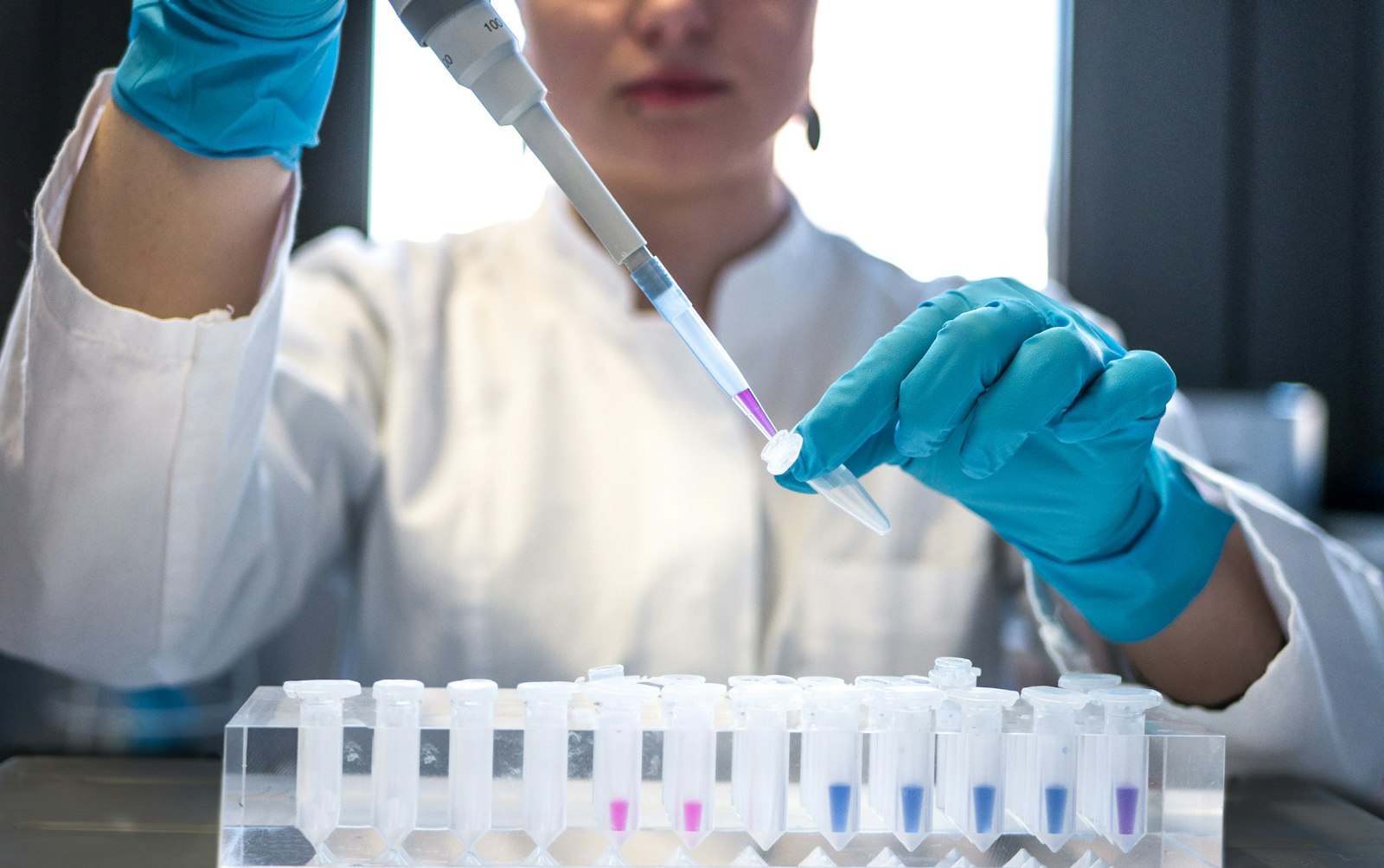
- Laboratory testing. Samples are tested against USP–NF monographs, other appropriate pharmacopoeial standards or the manufacturer’s own validated specifications.
- Ongoing surveillance. USP buys verified products off the shelf and retests them. Verification is renewed annually, so a product must keep meeting the standard to keep the mark.
USP doesn’t publish fees or typical timelines, and brands generally have to request a quote. Expect cost and lead time to depend on the number of products, the complexity of the formula and how audit-ready your manufacturer already is. If you use a contract manufacturer, its site is the one being audited, so confirm early that it will cooperate.
Ingredient verification and GMP audit-only options
USP also runs related programs that sit further up the supply chain. Its ingredient verification programs cover dietary ingredients, excipients and active pharmaceutical ingredients, and a GMP audit-only program checks facilities without verifying a finished product. USP lists participants publicly as a resource for companies looking for qualified suppliers.
For a brand, an ingredient supplier with USP verification can shorten your own qualification work. It doesn’t replace identity testing on incoming materials, which 21 CFR Part 111 still requires. Our herbal supplement manufacturing checklist walks through those raw-material steps.
USP verified dietary supplements vs NSF certified: which seal fits?
USP and NSF are the two quality programs US and Canadian shoppers see most often. They overlap but aren’t interchangeable, and Health Canada’s NPN is a different thing altogether:
| Program | Who runs it | Main focus | Banned-substance screening |
|---|---|---|---|
| USP Verified Mark | US Pharmacopeia (nonprofit) | Label accuracy, potency, specified contaminants, dissolution, GMP | No |
| NSF/ANSI 173 certification | NSF (independent certifier) | Label contents match, toxic elements, microbes, pesticides in botanicals; facility GMP audit | No |
| NSF Certified for Sport | NSF | Everything above plus screening for more than 290 substances banned in sport | Yes |
| NPN (Canada) | Health Canada (government licence) | Pre-market review of safety, efficacy and quality evidence; mandatory for NHPs sold in Canada | No |
| “GMP” or “cGMP” claims | Varies; often self-declared | Manufacturing process only | No |
NSF describes NSF/ANSI 173 as the only American National Standard for testing and certifying dietary supplements. Its Certified for Sport program adds testing for substances prohibited by major sports organizations. According to NSF, the program is recognized by the US Anti-Doping Agency, Major League Baseball, the National Hockey League and the Canadian Football League, and recommended by the Canadian Centre for Ethics in Sport.
The practical split: if your customers include competitive athletes, military members or anyone subject to drug testing, a banned-substance program matters more than USP verification. For mass-market vitamins sold through pharmacies, USP is often the better-recognized mark. Our article on how to choose quality supplements in Canada covers these seals from the shopper’s side.
Why does third-party verification matter for label accuracy?
Because label problems are not rare. In a 2022 study in JAMA Network Open, researchers led by Cindy Crawford tested 30 immune-support supplements bought on Amazon in the US. Seventeen (57%) had inaccurate labels, 13 (43%) were misbranded because one or more labelled ingredients weren’t detected, and 9 (30%) contained substances not listed on the label.
That was a small case series focused on one category and one sales channel, so it doesn’t tell you the error rate for all supplements. But it shows why retailers and clinicians lean on independent checks. Testing against the label, before and after a product reaches shelves, is exactly what programs like USP’s are designed to do.
USP says a survey of dietitians, nutritionists, physicians and pharmacists found that product quality, ingredient lists and quality marks were the top factors when they recommend a supplement, and that the USP Verified Mark was the seal they recommended most. That’s USP’s own data, so treat it as directional, but it explains why pharmacy-focused brands pursue the mark.
What does USP verification mean in Canada?
Canada starts from a different baseline. Most supplements sold in Canada are natural health products (NHPs), a legal category that covers vitamins, minerals, herbal remedies, probiotics and similar products. Every NHP needs a product licence and an eight-digit Natural Product Number (NPN) before it can be sold, and every manufacturer, packager, labeller and importer needs a site licence and must follow good manufacturing practices (Canada).
USP standards are already built into that system. Health Canada’s Quality of Natural Health Products Guide lists the USP among the pharmacopoeias the Natural and Non-prescription Health Products Directorate (NNHPD) accepts “in their entirety,” alongside the European, British and Japanese pharmacopoeias. The guide treats pharmacopoeial monograph specifications as minimums and says a brand shouldn’t mix requirements from different monographs (Canada).
So what does the USP Verified Mark add in Canada? Mainly independent testing. Health Canada licensing is largely a paper review of evidence the company submits, and Health Canada generally doesn’t test every product before it’s licensed. USP verification adds an outside audit and off-the-shelf retesting on top of the NPN, which some Canadian shoppers and pharmacists value. It never replaces an NPN: a USP Verified product without one can’t be legally sold as an NHP in Canada.
For US brands entering Canada, the reverse also holds. USP verification won’t speed up an NPN application, though USP-based specifications and test data can support the quality section of it. Our pillar guide to natural health product regulations in Canada explains product and site licensing in full.
Should your brand pursue USP verification?
It depends on your channels, customers and margins. The case for it is strongest when:
- You sell through pharmacies or to clinicians. Pharmacists and dietitians already know the mark, and USP’s survey data suggests they favour it.
- You sell on Amazon in the US. In November 2025, USP announced that products carrying the USP Verified Mark are automatically recognized under Amazon’s Compliance Fast-Track program for dietary supplements, so sellers skip manual documentation review.
- Retail or distributor partners ask for third-party proof. Many buyers want independent documentation during onboarding, a point we cover in our guide to supplement distributors.
- Your category has a history of label problems. Botanicals, immune products and other categories where adulteration is a known issue benefit most from visible independent testing.
The case is weaker when:
- Your customers are athletes. USP doesn’t screen for banned substances, so a sport-focused program may be the better spend.
- You have many low-volume SKUs. Verification is per product and renewed every year, so costs scale with your catalogue.
- Your manufacturer isn’t audit-ready. Fixing GMP gaps first may be the real project, and it’s required anyway under 21 CFR Part 111 (US) and the Natural Health Products Regulations (Canada).
One more data point for planning: USP said in November 2025 that more than 160 dietary supplements had earned the mark. That’s a small number against the size of the US market, which makes the mark a real point of difference rather than table stakes in most categories.
What USP verification doesn’t tell you
The biggest limit is efficacy. The NIH Office of Dietary Supplements notes in its consumer guide to dietary supplements that quality seals from organizations such as USP, NSF and ConsumerLab.com show a product was properly manufactured, contains its listed ingredients and doesn’t contain harmful levels of contaminants. In the same breath, it says these seals don’t guarantee that a product is safe or effective.
In other words, a USP Verified product can still be the wrong product for you. It can interact with medicines, be unsuitable during pregnancy, or rest on weak evidence for the benefit on the front of the box. For brands, the mark also says nothing about whether your structure/function claims (US) or licensed claims (Canada) are properly supported. That remains your job.
If you’re checking a product as a shopper, look for the actual USP Verified logo rather than the letters “USP,” and confirm it on USP’s website, which lists verified products. In Canada, check the NPN in Health Canada’s Licensed Natural Health Products Database as well. And if you take medication or have a health condition, talk to a pharmacist or doctor before starting any supplement.
The bottom line
USP verified dietary supplements have passed an independent check that the label is accurate, the product is clean of specified contaminants, it breaks down properly and it’s made under controlled conditions. That’s valuable, especially in a US market with no pre-market approval, but it’s a quality signal, not a health claim.
For brands, treat USP verification as a channel decision: strong for pharmacy, clinician and Amazon US sales, less relevant for sport, and always on top of, never instead of, FDA cGMP compliance and Canadian NPN licensing. For more on the rules that shape the industry, browse our regulation and compliance section, including our breakdown of the FDA GRAS rule proposal.
Frequently asked questions
What does USP verified mean on supplements?
It means the product passed the US Pharmacopeia’s voluntary Dietary Supplement Verification Program. USP audited the manufacturing facility, reviewed quality records and tested the product to confirm it contains the listed ingredients in the declared amounts, has no harmful levels of specified contaminants, breaks down properly and was made under good manufacturing practices. It doesn’t confirm the product is effective.
Is USP verification required by the FDA?
No. In the US, USP verification is voluntary for dietary supplements. The FDA doesn’t approve supplements before sale, but manufacturers must follow its cGMP rule, 21 CFR Part 111. If a supplement claims to meet USP standards and doesn’t, the FDA can treat it as misbranded, so USP claims should always be backed by testing.
Is USP verified better than NSF certified?
Neither is simply better. Both are independent programs that check label accuracy, contaminants and manufacturing. NSF/ANSI 173 is NSF’s supplement standard, and NSF Certified for Sport adds screening for more than 290 banned substances, which USP doesn’t offer. USP is widely recognized in pharmacies; NSF Certified for Sport suits athletes subject to drug testing.
What is the difference between USP grade and USP verified?
“USP” or “USP grade” after an ingredient means the manufacturer says that ingredient meets a USP–NF monograph. Nobody outside the company has necessarily checked. The USP Verified Mark is a logo awarded only after USP itself audits the facility and tests the finished product, with yearly renewal and off-the-shelf retesting.
Do supplements in Canada need USP verification?
No. Canada requires a Health Canada product licence and Natural Product Number (NPN) for natural health products, plus site licences and GMP for the businesses that make, package, label and import them. Health Canada accepts USP monographs as quality standards, but the USP Verified Mark is optional and never replaces an NPN.
How can I check if a supplement is USP verified?
Look for the official USP Verified logo on the package, not just the letters “USP.” Then confirm the product on USP’s website, which lists verified products. In Canada, also look up the NPN in Health Canada’s Licensed Natural Health Products Database. A pharmacist can help you compare products if you’re unsure.
Sources and further reading: US Pharmacopeia: Dietary Supplements Verification Program (accessed October 2026); NIH Office of Dietary Supplements: Dietary Supplements, What You Need to Know; US Pharmacopeia: USP named a participating certifier in Amazon’s Compliance Fast-Track Program for dietary supplements (November 18, 2025); US Pharmacopeia: Dietary Supplement Health and Education Act of 1994 and USP (USP history exhibit); US Pharmacopeia Quality Matters: What do the letters USP mean on the label of your medicine?; Crawford C, et al., case series of immune-support dietary supplements bought on Amazon, JAMA Network Open (August 2022); FDA: Current good manufacturing practice in manufacturing, packaging, labeling, or holding operations for dietary supplements, final rule, Federal Register (June 25, 2007); NSF: Product and ingredient certification and NSF Certified for Sport (accessed October 2026); Health Canada: Quality of Natural Health Products Guide, version 3.1.