Mushroom Benefits: What the Research Shows for Food and Extracts
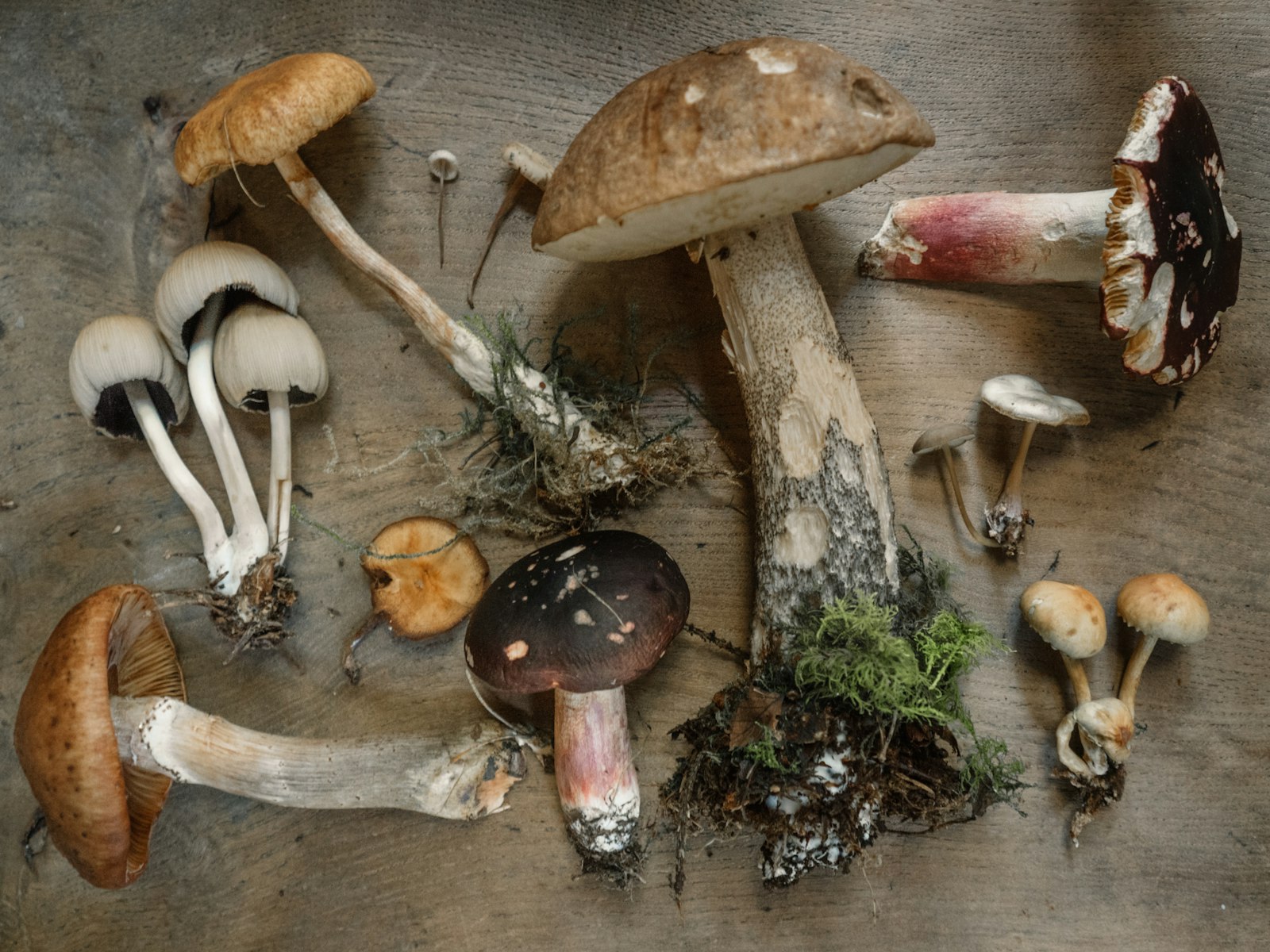
Mushrooms have moved from the side of the plate to the centre of the wellness aisle. You’ll now find them in coffee blends, gummies, capsules and powders, often with big promises about immunity, focus and stress. That makes it harder to answer a simple question: what are the real mushroom benefits, and which ones depend on eating mushrooms rather than taking an extract?
In this guide we separate the two kinds of mushroom benefits. We look at what research shows for everyday edible mushrooms, what the evidence says about “functional” mushrooms such as lion’s mane, reishi and turkey tail, how a mushroom extract is made, and the safety and label points that matter in the US and Canada.
Key takeaways
- Edible mushrooms are a low-calorie food that supply fibre, potassium, B vitamins, selenium and ergothioneine, a rare antioxidant that the body can’t make.
- Large observational studies link eating more mushrooms with lower risk of some cancers and depression, but they show associations, not proof of cause.
- Mushrooms exposed to UV light can be a meaningful food source of vitamin D, which is uncommon for a plant-like food.
- Evidence for mushroom supplements is thinner: small trials for lion’s mane, and cancer-care research on turkey tail extracts that doesn’t apply to everyday use.
- A mushroom extract can be made from the fruiting body or from mycelium grown on grain, so check the label. In Canada, look for an NPN; in the US, look for third-party verification.
Are mushrooms good for you?
Yes. For most people, mushrooms are a nutritious, low-calorie food with a useful mix of nutrients and compounds that few other foods provide. They’re fungi, not plants, but nutritionally they fit right in with vegetables.
The 2014 Mushrooms and Health Summit proceedings, published in The Journal of Nutrition, summarized the case well. White button mushrooms are a source of riboflavin, niacin and selenium, and mushrooms in general are described as “a rare source of ergothioneine as well as selenium, fiber, and several other vitamins.” They’re also naturally very low in fat and sodium.
Here’s how the main nutrients and compounds stack up:
| Nutrient or compound | Why it matters | What to know |
|---|---|---|
| B vitamins (riboflavin, niacin) | Help the body turn food into energy | White button and cremini mushrooms are a good everyday source |
| Potassium | Supports normal blood pressure and muscle function | Mushrooms add potassium with almost no sodium |
| Selenium | A trace mineral involved in antioxidant enzymes | Levels vary with the growing substrate and region |
| Fibre, including beta-glucans | Feeds gut bacteria and adds bulk to meals | Beta-glucans are the polysaccharides studied in many mushroom extracts |
| Ergothioneine | An antioxidant the body can’t make and must get from food | Mushrooms are the richest known dietary source |
| Vitamin D2 | Supports bone health | Only meaningful in mushrooms exposed to UV light |
Mushroom benefits: what the research shows
Most of the evidence for eating mushrooms comes from observational studies. These follow what people eat and track their health, so they can show a link but can’t prove that mushrooms caused the result. People who eat more mushrooms may also eat more vegetables, exercise more or smoke less. Keep that in mind as you read the findings below.
Ergothioneine: the compound that sets mushrooms apart
Ergothioneine is an amino acid-derived antioxidant made by fungi and some bacteria. Humans can’t produce it, which is why researchers are interested in whether getting it from food plays a protective role in ageing. The 2014 summit proceedings identified mushrooms as a primary dietary source, and Penn State researchers have reported that shiitake, oyster, maitake and king oyster mushrooms contain more of it than white button, cremini and portobello.
Research on ergothioneine in people is still at an early stage. It’s a plausible reason mushrooms show up in studies of healthy ageing, but it hasn’t been proven to prevent any disease.
Cancer risk
A 2021 systematic review and meta-analysis in Advances in Nutrition, led by Penn State researchers, pooled 17 observational studies published between 1966 and 2020. People with the highest mushroom intake had a 34% lower risk of any cancer than those with the lowest intake. The link was strongest for breast cancer, with a 35% lower risk across 10 studies, while other individual cancer sites didn’t reach significance because there were too few studies.
There’s an important caveat: 11 of the 17 studies were case-control studies, which ask people who already have cancer to recall past diets. The authors themselves flagged possible recall and selection bias. So these findings support mushrooms as part of a healthy diet, but they don’t show that mushrooms prevent cancer.
Mood and brain health
A 2021 study in the Journal of Affective Disorders used US National Health and Nutrition Examination Survey (NHANES) data from more than 24,000 American adults. People who ate mushrooms had lower odds of depression after adjusting for many other factors. Eating a lot more mushrooms didn’t show a clear extra benefit, and the survey couldn’t tell which types people ate.
For thinking and memory, a 2019 study in the Journal of Alzheimer’s Disease followed 663 adults aged 60 and over in Singapore. Those who ate more than two portions of cooked mushrooms a week had about half the odds of mild cognitive impairment. Again, this was a correlation. The researchers named ergothioneine as a possible reason but didn’t test it directly.
Longevity
The evidence here is mixed. A 2021 study in Nutrition Journal followed more than 30,000 US adults from NHANES for an average of 6.7 years. On its own, it found no statistically significant link between mushroom intake and death from any cause. When the authors pooled it with four other cohorts covering about 600,000 people, mushroom eaters had a 6% lower risk of dying during follow-up. That’s a small, modest signal, not a reason to expect mushrooms to add years to your life.
Weight and sodium
Mushrooms may help most when they replace something else. In a short crossover study described in the 2014 summit proceedings, mushroom-based meals provided less than half the energy of meat-based meals. Their savoury, umami flavour also lets you cut some meat and salt from dishes such as burgers, sauces and chili without losing taste. A one-year trial in which people swapped mushrooms for meat several times a week showed weight loss during the diet phase, but the difference from the meat group wasn’t significant at 12 months.
Can mushrooms give you vitamin D?
Yes, but only if they’ve been exposed to ultraviolet (UV) light. Mushrooms contain a compound called ergosterol, which UV light converts into vitamin D2, much as sunlight makes vitamin D3 in human skin. Most mushrooms are grown indoors in the dark, so regular store-bought mushrooms contain very little.
A 2018 review in Nutrients found that UV exposure can take mushrooms from almost no vitamin D to nutritionally meaningful levels, and that small trials showed mushroom vitamin D2 raised blood vitamin D levels about as well as a vitamin D2 supplement. The vitamin held up reasonably well with pan-frying but dropped more with long boiling or baking. Commercial growers can treat mushrooms with UV lamps for this reason, so look for “UV-treated” or “vitamin D” wording on the package if that’s your goal. The same review found that leaving mushrooms in midday sun also raises their vitamin D, though results vary.
Mushroom vitamin D is D2, not the D3 your skin makes, and researchers still debate how the two compare over the long term. If you’re concerned about your vitamin D status, a blood test and a conversation with your doctor will tell you more than any single food.
Functional mushroom benefits: what the evidence shows
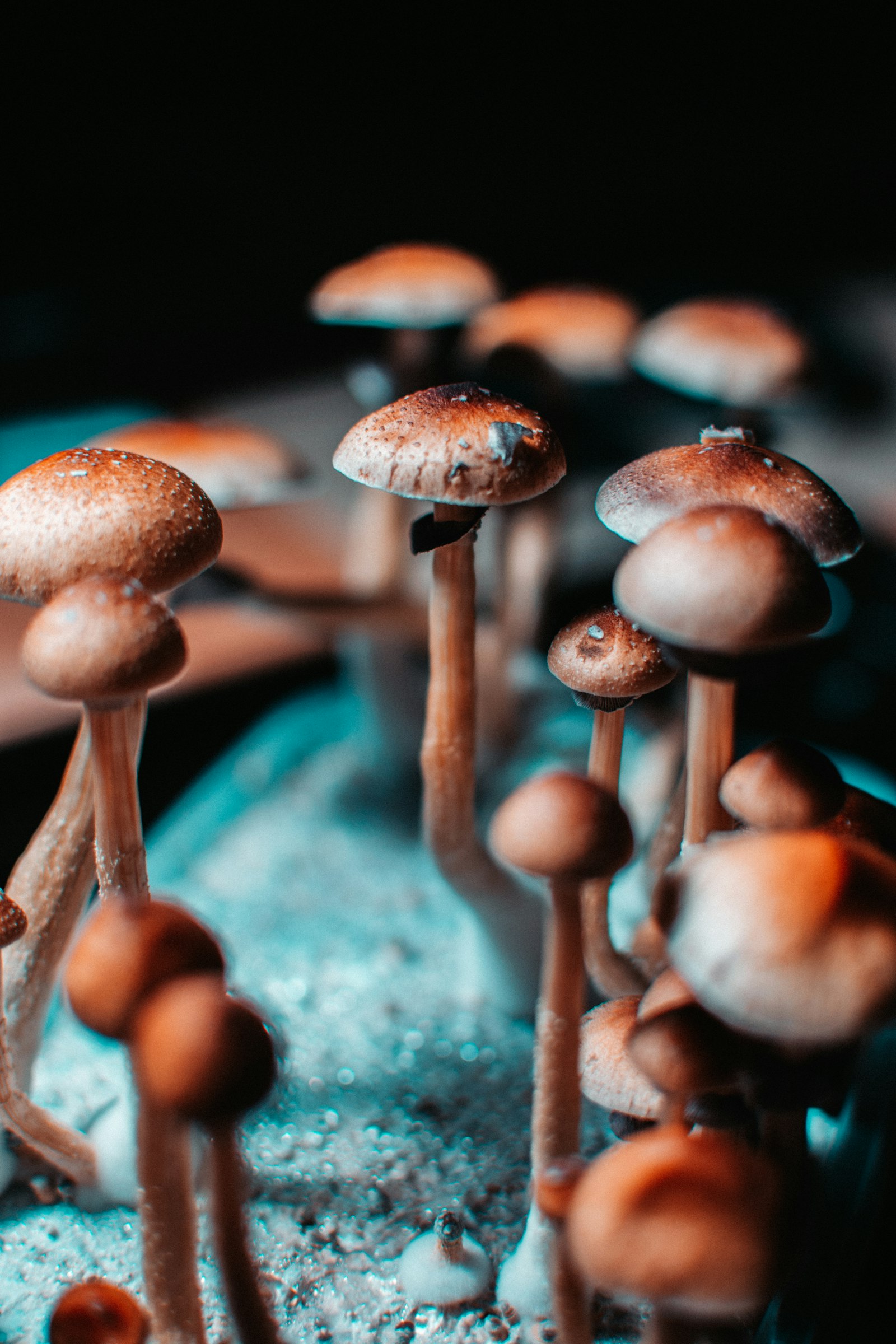
“Functional” or “medicinal” mushrooms are species used mainly as extracts rather than as everyday food. Several have a long history in traditional Chinese and Japanese medicine. The research on them is very different from the food research above: it’s mostly small trials, lab studies and, for a few species, clinical studies in people with cancer.
The US National Cancer Institute’s medicinal mushrooms summary, last updated in November 2024, puts it plainly: the FDA has not approved medicinal mushrooms to treat cancer or any other medical condition. Here’s what the main species have behind them:
| Mushroom | Common claim | What the research shows | Evidence strength |
|---|---|---|---|
| Lion’s mane (Hericium erinaceus) | Focus, memory, mood | A 2025 systematic review in Frontiers in Nutrition found only a handful of small trials, many with 30 to 40 people, and mixed results on cognition | Limited |
| Turkey tail (Trametes versicolor) | Immune support | An extract called PSK is approved in Japan as an add-on to cancer treatment; trials in gastric and colorectal cancer link it to better survival alongside chemotherapy | Moderate, but only in cancer care under medical supervision |
| Reishi (Ganoderma lucidum) | Immunity, stress, sleep | The NCI found no human studies with measured cancer outcomes; small studies of immune markers and colon polyps are too limited to draw conclusions | Limited |
| Chaga (Inonotus obliquus) | Antioxidant, immunity | Little human research; very high in oxalate (see safety section) | Very limited |
| Shiitake and maitake | Immune support | Good food mushrooms; the NCI summary reports no strong human evidence for their extracts | Limited for supplements |
The turkey tail results are the ones most often borrowed by marketers, so it’s worth being clear. The NCI summary describes a 1994 Japanese trial of 262 people with gastric cancer and a 2007 meta-analysis of eight trials covering more than 8,000 patients, both pointing to modest survival gains when PSK was added to chemotherapy. Those were standardized, prescription-grade extracts given to cancer patients. They don’t tell you what a turkey tail capsule does for a healthy adult, and they’re not a reason to use a supplement in place of medical treatment.
Many functional mushroom products are marketed for gut health, too. If that’s your goal, our guide to gut health supplements compares mushroom beta-glucans with fibre, probiotics and other options that have stronger evidence.
What is a mushroom extract?
A mushroom extract is a concentrate made by extracting mushroom material, typically with hot water, alcohol or both, to pull out compounds such as polysaccharides (including beta-glucans) and triterpenoids. A “dual extract” uses both solvents. The key question for quality isn’t just the method, though. It’s what part of the fungus went in.
A mushroom has two main parts, and supplements can be made from either:
- Fruiting body: the cap and stem you’d recognize as a mushroom, and the part most people picture when they buy one.
- Mycelium: the root-like network that grows through soil, wood or, in commercial production, a bed of grain such as oats or rice.
- Mycelium on grain: a common shortcut. When mycelium is grown on grain and the whole mass is dried and ground, the powder can include a large share of leftover grain starch, which dilutes the fungal compounds.
This has become a live debate in the US industry. In a 2023 survey of 10,000 US residents commissioned by a mushroom ingredient supplier, about 79% said mycelium grown on grain was “not a mushroom.” The same company has petitioned the FDA to require labels to name the part used, while other growers argue that “mushroom” has always meant the whole organism. Until rules change, it’s up to you to read the label.
How to read a mushroom supplement label in the US and Canada
Use this checklist before you buy:
- Find the Latin name. “Lion’s mane” should be Hericium erinaceus; “reishi” is usually Ganoderma lucidum. A clear species name is a basic sign of a careful brand.
- Check the part used. Look for “fruiting body” or “mycelium.” If the label lists grain, rice flour or “myceliated” anything, expect more starch and less mushroom.
- Look for a measured compound. Some products state beta-glucan content. Be wary of “polysaccharides” alone, since starch is a polysaccharide too.
- In Canada, look for an NPN. Mushroom supplements are natural health products (NHPs), the Canadian category that covers vitamins, herbal remedies and similar products. Licensed products carry an eight-digit Natural Product Number you can look up in Health Canada’s Licensed Natural Health Products Database. Health Canada’s reishi monograph, for example, accepts the dried fruiting body or mycelium as source material.
- In the US, look for third-party verification. Dietary supplements don’t need FDA approval before sale, so seals from USP or NSF are a useful check on quality and contents. Our explainer on USP Verified dietary supplements covers what that mark tests.
- Be wary of disease claims. In the US, supplements can’t legally claim to treat or cure a disease. In Canada, claims must match what Health Canada licensed. “Cures,” “fights cancer” or “replaces medication” are red flags in either country.
For a fuller walkthrough of label reading, see our pillar guide on how to choose quality supplements. Doses vary widely between products, so follow the label directions of a reputable product and ask a pharmacist if you’re unsure.
Side effects, interactions and who should be careful
Cooked store-bought mushrooms are safe for most people. Supplements and wild mushrooms carry more risk. Keep these points in mind:
- Never eat wild mushrooms you can’t identify with certainty. Several deadly species look like edible ones. Buy from a grocer or a licensed vendor unless you’re with an expert.
- Allergies and digestion: some people are allergic to mushrooms, and large amounts, raw mushrooms or concentrated powders can cause stomach upset. Mild digestive complaints were the most common side effects in lion’s mane trials.
- Liver injury with reishi (rare): the US National Institutes of Health’s LiverTox database, updated in 2024, lists reishi as a possible rare cause of liver injury, based on a small number of case reports. Most people recovered after stopping the product.
- Kidney problems with chaga: chaga is very high in oxalate. A 2020 case report in the Journal of Korean Medical Science described a man who developed kidney failure after about five years of daily chaga powder. People with kidney disease or a history of kidney stones should avoid it.
- Medication interactions: some mushroom extracts may affect immune activity and blood clotting, so talk to a pharmacist before using one if you take blood thinners, immunosuppressants or other regular medication.
- Pregnancy, breastfeeding and children: most functional mushroom supplements haven’t been studied in these groups, so check with your healthcare provider first.
- Before surgery or cancer treatment: tell your care team about any mushroom products you use, even ones sold as food.
Don’t confuse functional mushrooms with psychoactive ones
Some “mushroom” gummies and chocolates sold in shops and online contain psychoactive ingredients, not lion’s mane or reishi. In the US, the FDA investigated illnesses linked to Diamond Shruumz-brand chocolate bars, cones and gummies in June 2024. In December 2024, the FDA told manufacturers that Amanita muscaria (fly agaric) and its compounds muscimol, ibotenic acid and muscarine are not authorized in conventional foods and “may be harmful.” If a product promises a “trip,” a “journey” or “euphoria,” it isn’t a functional mushroom supplement.
How to get more mushroom benefits from food
For most people, the best-supported way to get mushroom benefits is simply to eat them more often. A few easy ways to start:
- Blend them into ground meat. Finely chopped mushrooms in burgers, meatballs or tacos cut fat and salt while keeping flavour.
- Mix varieties. Shiitake, oyster and maitake bring more ergothioneine than white button mushrooms.
- Cook them. Sautéing or roasting brings out their flavour. Pan-frying retained more vitamin D than long boiling in studies reviewed in 2018.
- Choose UV-treated mushrooms when you can. The package should say so if they’ve been exposed to light for vitamin D.
- Store them well. Keep fresh mushrooms in a paper bag in the fridge and use them within a few days.
Whole foods often deliver nutrients in a gentler, better-studied package than supplements, as we found with Brazil nuts and selenium. Mushrooms follow the same pattern.
The bottom line
The clearest mushroom benefits come from eating them. Edible mushrooms are low in calories and rich in B vitamins, potassium, fibre and ergothioneine, and UV-treated mushrooms add vitamin D. Large observational studies link mushroom eaters with lower risk of some cancers and depression, though they can’t prove cause and effect.
Mushroom extracts are a different story. Evidence for lion’s mane, reishi and chaga in healthy adults is limited, and the strongest results, for turkey tail, come from cancer care. If you try one, choose a product that names the species and part used, carries an NPN in Canada or a third-party seal in the US, and check with a pharmacist if you take medication. To see how an ingredient’s form changes what you actually get, read our Ingredient Science pillar guide to the types of magnesium.
Frequently asked questions
What are the main health benefits of mushrooms?
Mushrooms are a low-calorie source of fibre, potassium, B vitamins, selenium and ergothioneine, an antioxidant the body can’t make. UV-treated mushrooms also supply vitamin D. Observational studies link regular mushroom eating with lower risk of some cancers and depression, but these studies show associations rather than proof that mushrooms cause the benefit.
Which mushrooms are the healthiest to eat?
All common edible mushrooms are nutritious, so the best one is the one you’ll eat regularly. Penn State researchers have reported that shiitake, oyster, maitake and king oyster mushrooms contain more ergothioneine than white button, cremini and portobello. UV-treated mushrooms of any type are the best choice if you want vitamin D.
Is a mushroom extract better than eating mushrooms?
Not for general health. Most of the evidence for mushroom benefits comes from eating whole mushrooms as food. A mushroom extract concentrates certain compounds, such as beta-glucans, but research on extracts in healthy adults is limited. The strongest extract evidence, for turkey tail, comes from people receiving cancer treatment under medical care.
Are mushroom supplements safe?
Most are well tolerated, with mild digestive upset the most common complaint. Rare cases of liver injury have been linked to reishi, and chaga is very high in oxalate, which can harm the kidneys. Talk to a pharmacist before using one if you take medication, are pregnant or breastfeeding, or have liver or kidney disease.
Is it OK to eat mushrooms every day?
For most people, yes. Cooked store-bought mushrooms are a safe, everyday vegetable-style food. Eat a variety, cook them rather than eating large amounts raw, and never eat wild mushrooms unless an expert has identified them. If you have a mushroom allergy or a sensitive stomach, pay attention to how you feel.
What’s the difference between fruiting body and mycelium?
The fruiting body is the cap and stem you’d recognize as a mushroom. Mycelium is the root-like network the fungus grows from. Some supplements are made from mycelium grown on grain, and the powder can contain a lot of leftover starch. Check the label for the part used and, ideally, a measured beta-glucan content.
This article is for general information and isn’t a substitute for advice from a healthcare professional.
Sources and further reading: Feeney et al., Mushrooms and Health Summit Proceedings, The Journal of Nutrition (2014); Ba et al., Higher Mushroom Consumption Is Associated with Lower Risk of Cancer: A Systematic Review and Meta-Analysis of Observational Studies, Advances in Nutrition (2021); Ba et al., Mushroom intake and depression: a population-based study using data from the US NHANES 2005–2016, Journal of Affective Disorders (2021); Ba et al., Prospective study of dietary mushroom intake and risk of mortality: results from continuous NHANES 2003–2014 and a meta-analysis, Nutrition Journal (2021); National University of Singapore study of mushroom consumption and mild cognitive impairment in older adults, Journal of Alzheimer’s Disease (2019); Cardwell et al., A Review of Mushrooms as a Potential Source of Dietary Vitamin D, Nutrients (2018); National Cancer Institute, Medicinal Mushrooms (PDQ), Health Professional Version (updated 2024); Menon et al., Benefits, side effects, and uses of Hericium erinaceus as a supplement: a systematic review, Frontiers in Nutrition (2025); National Institute of Diabetes and Digestive and Kidney Diseases, LiverTox: Lingzhi (Reishi) (2024); Development of End Stage Renal Disease after Long-Term Ingestion of Chaga Mushroom: Case Report and Review of Literature, Journal of Korean Medical Science (2020); Health Canada, Natural Health Products Ingredients Database monograph: Reishi (Ganoderma lucidum) (2019); US Food and Drug Administration, FDA alerts industry and consumers about use of Amanita muscaria or its constituents in food (2024); Penn State University, Higher mushroom consumption associated with lower risk of cancer (2021).